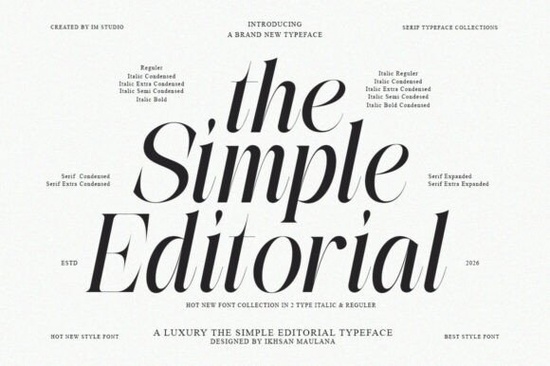
You know that moment when you find a serif font that balances classic charm with modern legibility? The Simple Editorial Font is exactly that kind of resource for your design projects. Whether you are crafting print-on-demand merchandise or building a premium brand identity, having a versatile typeface that stands up to scrutiny is essential. Unlike display fonts that scream for attention, this one whispers confidence. It bridges the gap between nostalgic aesthetics and contemporary readability, making it a staple for anyone needing professional results without spending hours tweaking letter spacing.
Does this typeface fit a vintage aesthetic?
If you have been hunting for a typeface that feels pulled straight from the golden age of print, this one delivers. Its character is rooted in visual languages typical of vintage publications and iconic signage. However, it avoids looking dated. Instead, it retains a modern utility suitable for today’s digital screens and high-resolution prints. You get a retro soul that stays effortlessly at home in modern brand systems. Many designers struggle to find balance in historical styles, often leaning too far into novelty. This family sidesteps that issue through careful curve engineering and consistent stroke contrast.
When working with typography, consistency matters. This tool offers that reliability across different media. Whether you are setting headlines or body copy blocks, the refined ligatures add an extra layer of craft. This detail is particularly important when creating luxury packaging that demands a second look. Every weight, curve, and letter is designed to make a lasting impression on your audience. You don't need to rely on flashy imagery to sell quality; the letters alone carry the message.
How do the weights serve my layout needs?
Versatility comes down to options. With fifteen styles available, including nine carefully crafted weights plus matching italics, you get a robust typographic toolkit. You can move from whisper-thin elegance for delicate editorial pieces to commanding display weights for posters or book covers. This range prevents you from needing to switch families halfway through a project. Having everything in one package streamlines your workflow significantly.
Sometimes, a project requires a softer touch. Other times, you need something loud and authoritative. This family supports both ends of that spectrum. If you ever need a slightly different vibe, you might explore collections like Sharp History for a bolder edge, or check out Sweetberry for a softer, organic feel. Sticking to one cohesive family ensures your branding remains unified, which is a standard practice among art directors and typographic enthusiasts.
Where is this font most effective?
This typeface is built for impact in several key areas. It performs exceptionally well when art-directing a heritage-inspired brand. If you are designing logos or logotypes that need to communicate tradition mixed with trustworthiness, this font is a strong candidate. Layouts for high-end magazines benefit from the readability of the body text paired with the sophistication of the larger sizes.
Crafters and small business owners often overlook typography until the final stage. Using a limited palette of high-quality fonts saves time and money. By investing in a complete set, you cover various communication channels from social graphics to physical labels. For those focusing on commercial applications, exploring similar resources can broaden your library. You can find related collections under categories such as vintage serif options or browse monarch heritage designs for further inspiration.
Don't limit yourself to static images either. The clarity of the strokes ensures it translates well to vector formats, which is crucial for apparel printing. Small businesses especially appreciate fonts that scale without losing definition. A logo used on a business card should look just as good on a large banner. This set supports that scalability, ensuring your visual identity remains consistent whether it appears on a screen or in a printed brochure.
Are there alternatives if this doesn't click?
Every designer has different preferences regarding stroke width and x-height. While this family is designed to be universally appealing, your specific project might call for something unique. If you want to compare options, checking out Monarch Heritage could help you visualize alternative weight distributions. Similarly, if you prefer a more geometric structure alongside serif traits, consider how Montega might complement your existing assets.
The key is maintaining visual harmony. Even when mixing fonts, the goal is to create hierarchy without confusion. Using a primary font like this one sets a tone that secondary fonts can echo. It simplifies decision-making because you already have a dominant personality established in your deck.
Practical Checklist Before Download
- Check License: Verify if your Commercial Use license covers your intended project type, especially for resale items.
- Test File Integrity: Open the preview document to ensure all characters render correctly in your design software.
- Install Carefully: Drag files into your operating system's font manager or use dedicated app software like Adobe Fonts.
- Create a Style Guide: Define minimum sizes and usage rules early to protect the font's integrity.
Getting started is simple. Once installed, open your favorite editor and set your text properties. Experiment with kerning pairs manually to see where the auto-tracking falls short. Often, small tweaks can lift the entire composition from "good" to "polished." This process of refinement separates amateur work from professional output.
Download Now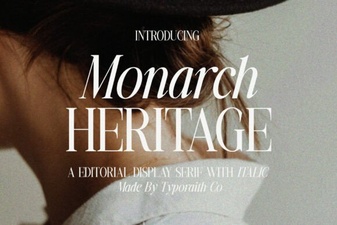 Crafting Projects with Monarch Heritage Font
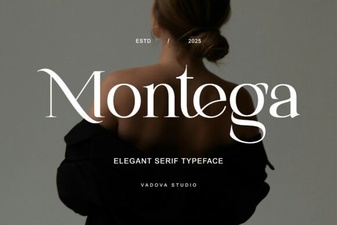 Montega Font: Creative Typography for Modern Projects
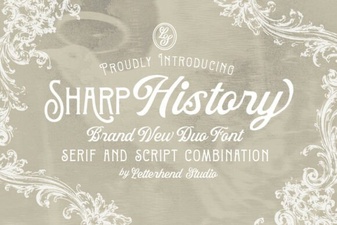 Sharp Fonts: Designing with Historical Edge
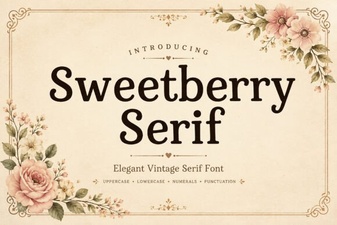 Sweetberry Serif: Elegance for Your Creative Projects
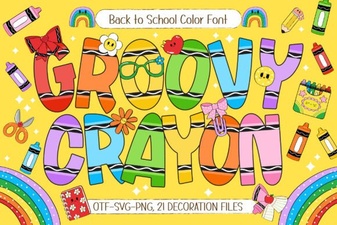 Groovy Crayon Fonts for Playful Designs
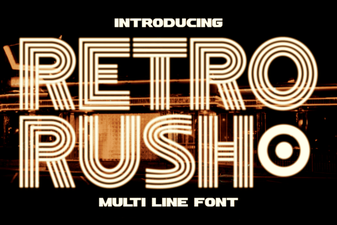 Retro Rush Font: Tips for Designers & Creators