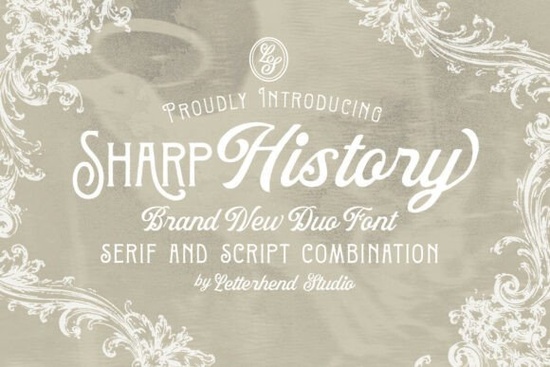
Many designers struggle to find type that feels both classic and modern simultaneously. This tension often leads to compromise, settling for a font that looks dated or one that lacks personality. Sharp History Font resolves this by offering a distinct duality within a single license. It solves the common problem of mixing type families that fight against each other rather than harmonizing.
This vintage-inspired pairing brings together a structured serif face and a flowing script. It allows creators to mix formal headers with handwritten flourishes without jarring contrasts. Whether you are creating wedding invitations or print-on-demand merchandise, having this balance in your toolkit saves hours of searching through different bundles. You can easily browse similar collections by exploring simple editorial typefaces to see how other designers handle layout spacing.
Why choose a paired serif and script set?
Using separate fonts for headlines and body text requires ensuring their x-heights, weights, and stylistic traits match perfectly. A duo set eliminates this guessing game because the creator has already adjusted these metrics for cohesion. Sharp History Font ensures that when you place the decorative serif next to the signature-style script, they feel like they belong to the same family.
This consistency matters most for branding projects where legibility meets style. If you need a logo that looks established but welcoming, you can use the serif for the business name and the script for a tagline or subtext. For those interested in stronger geometric foundations instead of vintage vibes, checking out options like Montega might provide a cleaner contrast to explore before committing.
Which industries benefit most from this style?
Vintage aesthetics appeal to various niches, particularly those that value craftsmanship and tradition. Wedding planners often need this specific look for programs and signage. It suggests elegance without feeling overly stiff or corporate. Similarly, boutique coffee roasters or craft breweries use this pairing on packaging to communicate heritage.
If you sell physical goods, consider how the lettering reads on a small label. The serif provides authority, while the script adds a personal touch that customers associate with hand-made quality. For brands wanting a deeper sense of history in their visual identity, looking at vintage heritage styles can help you decide if Sharp History fits your specific vibe. It is also great for greeting cards, journals, or scrapbooking materials where warmth is essential.
How does it compare to other serif options?
Not every vintage font relies on high-contrast strokes or heavy ornamentation. Some lean towards softer curves, while others prioritize sharp edges. Sharp History sits comfortably in the middle ground, avoiding the stiffness of traditional Gothic fonts while maintaining clear readability. If you find Sharp History too delicate for your project, switching to a bolder option like Sweetberry might offer the weight you need without losing the charm.
The versatility comes from the ligatures and alternate glyphs included in the download. You can swap out standard letters for stylized versions to prevent repetitive patterns in text blocks. This flexibility is crucial for long titles on book covers or banners. While some typefaces rely solely on weight changes to create hierarchy, a well-designed duo handles emphasis through form variation.
Is this suitable for commercial projects?
Most Creative Fabrica licenses cover small business use, such as selling t-shirts or digital prints. However, always verify the terms of service for reselling the actual font files. Typically, you cannot distribute the font as-is, but you can create finished graphic products. Understanding the difference between font redistribution and merchandise creation protects your account and reputation.
Before purchasing, test the font in your preferred software. Open Adobe Illustrator, Cricut Design Space, or Canva to see how the characters render at different sizes. Sometimes script connections break when scaled down too much, making signatures hard to read on tote bags or mugs. Ensuring file compatibility upfront prevents wasted production time later.
Quick Implementation Checklist
- Download the OTF and TTF files: Ensure you get both formats for maximum device compatibility.
- Test Kerning in Context: Type a sample quote combining both faces to check spacing gaps.
- Check Color Contrast: Ensure the script legibility matches the background color of your mockups.
- Read License Terms: Confirm whether digital downloads or physical items are covered under your plan.
- Back Up Assets: Store the files in a version-controlled folder before updating your system.
Once you have tested the setup and confirmed the license, you are ready to apply this style to your next creative batch. You can purchase directly to access the latest updates at Sharp History. Taking the time to preview the font properly ensures your final output remains professional and polished.
Get Started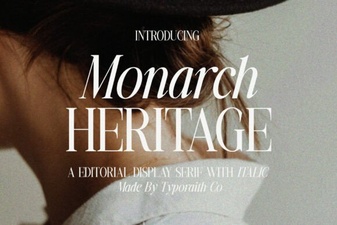 Crafting Projects with Monarch Heritage Font
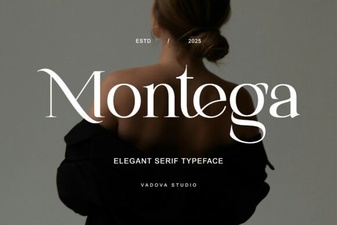 Montega Font: Creative Typography for Modern Projects
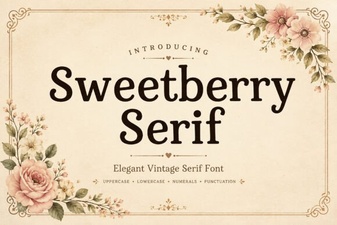 Sweetberry Serif: Elegance for Your Creative Projects
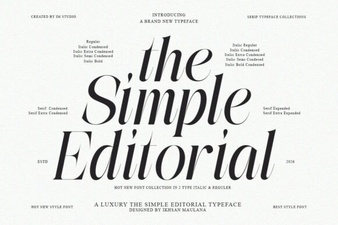 The Simple Editorial Font: Design & Creative Use Cases
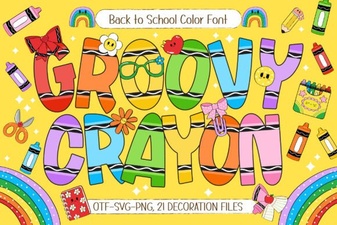 Groovy Crayon Fonts for Playful Designs
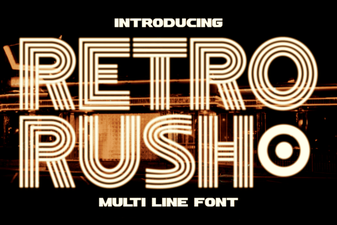 Retro Rush Font: Tips for Designers & Creators