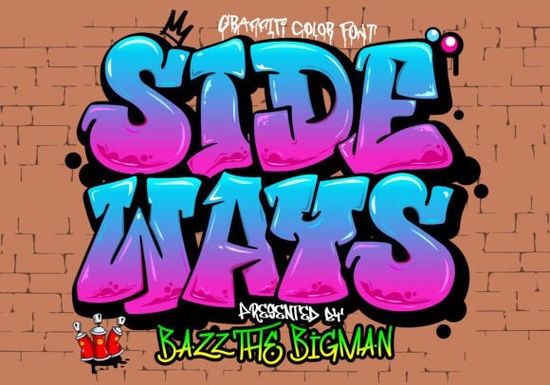
If you have been searching for a typeface that captures true street culture energy without the hassle of vector editing, Sideways Font offers a solid solution. This typeface brings a graffiti-styled display aesthetic right out of the box, featuring bold colors and an urban edge. Whether you are designing t-shirts for a local brand or creating graphics for social media promotions, this resource provides the visual punch needed to stand out.
The design industry moves fast, especially when digital assets are involved. Finding free tools and paid assets can feel overwhelming, but sticking to what fits your workflow matters most. This specific typeface is categorized under colorful fonts, which helps narrow down your choices when browsing marketplaces. It is important to understand how this asset functions before downloading it to ensure it works with your current setup.
How does the Opentype-SVG technology work?
Unlike standard lettering that simply changes the shape of characters, this display color font includes multiple layers of information within the glyphs themselves. Each letter can shift color, texture, or shading automatically when you select different options in your software. This feature is particularly helpful for graphic designers who want consistent coloring across a phrase without manually recoloring every character individually. Because of this advanced formatting, the file type acts differently than traditional TrueType fonts found elsewhere.
Sideways Font shines when used in applications that support OpenType-SVG rendering. Adobe Photoshop and Illustrator handle this well, allowing you to access the full palette embedded in the file. You might find that some older programs struggle to display the complete effect, which is why checking version requirements before installation is key. If you rely heavily on basic drawing tools outside the Adobe ecosystem, the result may not appear as expected.
- Check your software version compatibility first.
- Ensure your system supports RGB or CMYK color profiles.
- Download the .OTF or .TTF versions only if you do not need color effects.
For crafters interested in printing or cutting machines, understanding the distinction between these formats is vital. While the font file contains beautiful imagery, some cutting tools process shapes rather than complex color images. Always review the manufacturer guidelines for your specific machine to avoid unexpected results during production.
Is it suitable for commercial apparel design?
Many creators ask whether this asset is safe for selling products online. Generally, display fonts purchased from major repositories come with licenses that permit end-product sales, though terms vary by vendor. The urban vibe of this design pairs exceptionally well with sportswear concepts, skateboard brands, or festival merchandise. Since it already includes color elements, it reduces the workload when preparing files for sublimation or vinyl printing.
Designing for clothing requires attention to detail. High contrast colors often read better on darker fabrics, while lighter shades might need outlines to pop. Testing your layout at actual size before sending anything to the printer ensures that readability remains intact. Small business owners often appreciate resources that allow rapid prototyping, and having a pre-colored option speeds up that initial creative phase significantly.
If you run out of inspiration or need variety for a new collection, exploring other related collections might provide the backup assets you need. Sometimes having a cohesive pack of fonts allows for a unified look across multiple items, from hats to tote bags. Keeping a library of compatible style sets simplifies the decision-making process for busy entrepreneurs.
What are the compatibility limitations?
Crafters using cutting machines like Cricut often face hurdles with specialized font formats. The product notes explicitly state that OTF and TTF versions of this product are not compatible with Cricut software. This is a crucial detail to consider before purchase, especially if you plan to cut the letters yourself on a physical machine. Without specific compatibility, the software might fail to recognize the ligatures or color profiles required to render the image correctly.
This restriction does not diminish the quality of the typeface itself, but it does limit who can use it directly. If you hire someone else to handle the physical production, they can utilize the source files regardless of your personal equipment. However, for hobbyists working solo in their home studio, this limitation might require alternative approaches, such as tracing the shapes manually in vector software before attempting a cut.
When facing technical roadblocks, reviewing community discussions or alternative resources can reveal workarounds shared by experienced users. Some designers convert the SVG data into separate vector paths to bypass restrictions in cutting engines. While this requires extra steps, it grants you more control over how the final artwork interacts with your hardware.
Practical steps for success
To get the most out of this download, follow this quick checklist:
- Verify your software: Confirm that Photoshop or Illustrator is updated to support SVG fonts.
- Test the preview: Type out a short phrase to see if all colors load correctly.
- Check licensing: Read the license agreement if planning to sell printed goods.
- Backup the file: Save a copy of the original font files in case future installations are needed.
Focusing on tools that match your capabilities ensures a smooth workflow. Avoiding assumptions about what your equipment can read prevents wasted time and frustration. With careful planning, you can integrate this stylish option into your portfolio effectively.
Download Now Groovy Crayon Fonts for Playful Designs
 Retro Rush Font: Tips for Designers & Creators
 Olivia Scatter Font Style & Design Guide
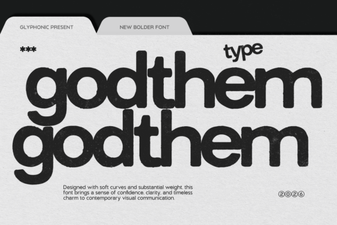 The Godthem Font: Modern Typography for Your Projects
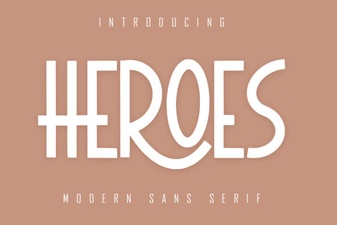 Heroes Font: Creative Web Design and Branding
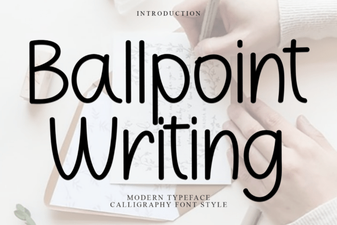 Ballpoint Script Fonts for Natural Handwriting Styles