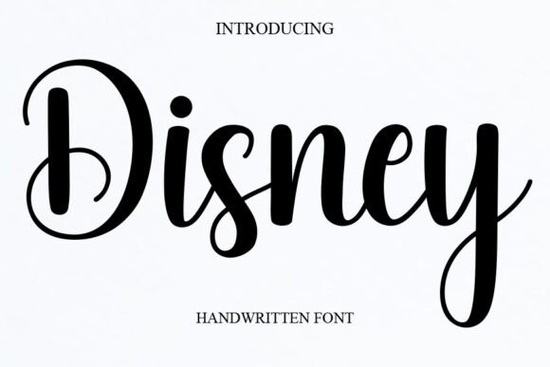
When adding personality to graphic design projects, choosing the right typography changes everything. Many creators look for something that bridges the gap between formal business needs and creative expression. The Disney Font fits this role perfectly because it acts as a sweet and cursive handwritten font. It adds a joyful and romantic touch to each of your projects without feeling stiff or overly corporate. Whether you are designing greeting cards for a boutique or customizing merchandise for a shop, this gentle font provides the visual warmth people remember.
Why choose a handwritten style for your branding?
Handwritten typography creates a sense of connection that block letters often miss. Humans respond better to organic shapes that mimic natural movement. Using a script typeface implies effort and thought went into creating the design. This is why many small businesses prefer it for their packaging labels and social media graphics. The winter snow script variation available in our library serves a similar purpose but leans heavier into seasonal themes. However, the general appeal of this cursive style remains rooted in its ability to soften a brand identity.
For POD sellers specifically, readability matters alongside aesthetics. You need text that stands out on a mug or t-shirt but still looks elegant. A font that balances legibility with flair ensures customers actually read your message. This script offers that balance, allowing you to maintain high resolution without losing the handcrafted look.
Best applications for this typeface
The versatility of this design means it spans several distinct categories of work. Wedding planners frequently request it for save-the-date cards because it conveys tradition and grace. Fashion designers also utilize it for lookbook layouts, where it enhances the romantic vibe of the clothing photography. Marketing promotions benefit significantly when the tone shifts from sales-driven to relationship-driven. In those moments, a fancy yet casual font helps build trust with potential clients.
Even for digital planners and journal covers, the clean lines prevent visual clutter. Users appreciate interfaces that feel personal rather than mechanical. By integrating this asset into your templates, you create a cohesive experience that keeps users engaged longer. If you need more floral accents to support the theme, floral-inspired handwriting complements the curves of this primary lettering well.
Where else can you use it effectively?
Beyond standard stationery, consider how it applies to event signage. Birthday parties and anniversary celebrations look best when the decor feels handmade. The cursive nature suggests a special occasion without demanding expensive calligraphy services. Digital marketers often struggle to maintain a consistent voice across platforms, but switching fonts can reset viewer expectations. Keeping this style consistent across your email headers and banner ads builds recognition over time.
Considering alternatives and variations
Sometimes, a single typeface isn't enough to cover every niche market. If you are targeting a younger demographic, such as new parents, you might explore softer textures. Gentle baby style options exist for nursery decals and shower invitations where the goal is comfort above all. Similarly, if you are launching a collection focused on botanical themes, a style that mimics pressed flowers works beautifully alongside this script.
It is important to select assets that share similar weight and stroke width to avoid clashing. Pairing two vastly different scripts can confuse the eye rather than enhancing the design. For those who enjoy experimenting with combinations, versatile duo sets offer pre-paired solutions that save time during production. These pairs allow you to mix bold headlines with delicate body text without worrying about spacing issues.
New users sometimes worry about compatibility with design software. Most modern tools support standard formats found in these collections. Easy-to-install typefaces reduce friction during the setup phase so you can focus on creativity immediately. You do not need advanced technical skills to make good work; having the right tools simply streamlines the process.
Preparing your files for print or web
Once you have selected the design you like, proper preparation ensures quality output. Downloaded packages typically include OpenType versions and basic TrueType formats. Always double-check the license terms before uploading to a print-on-demand platform. Commercial rights allow you to sell finished goods featuring the characters or text, while personal use limits application to non-sale items.
High-resolution exports are key for physical products. A vector-safe outline prevents pixelation when scaling up large banners. Web usage requires smaller file sizes, so converting to SVG or PNG preserves clarity without bloating page load times. Maintaining legible spacing (kerning) becomes harder as fonts get larger, so test at least three size variations before finalizing.
- Check Licenses: Confirm commercial rights if selling products.
- Test Readability: Print a sample on your target material.
- Verify Spacing: Look for collisions between letters at large sizes.
- Save Original Files: Keep editable layers for future edits.
- Backup Assets: Store downloads securely in case updates are needed.
By following these steps and selecting quality assets, you ensure your final work looks professional and polished. You can check out the full details on the Disney Font page to see available file formats and additional previews. Starting with reliable typography saves hours of troubleshooting later.
Get Started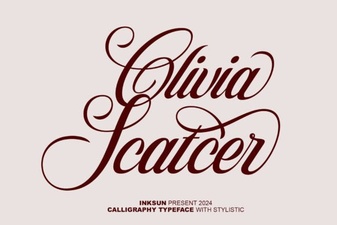 Olivia Scatter Font Style & Design Guide
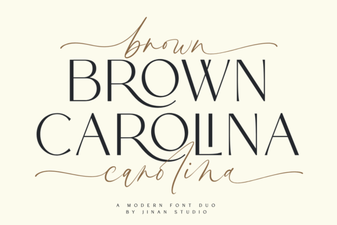 Craft with the Brown Carolina Duo Font Pair
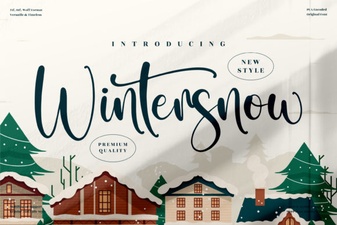 Wintersnow Font: a Modern Design for Clean Text
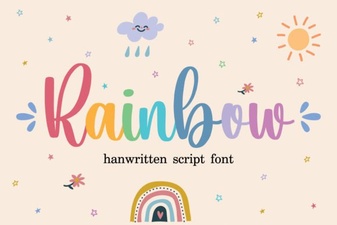 Rainbow Fonts: Elevate Design & Craftsmanship
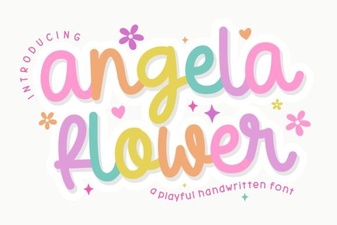 Angela Flower Font: a Creative Typography Design
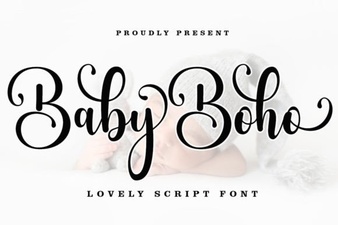 Fresh Baby Boho Fonts for Your Design Projects